Business Name: BeeHive Homes of Abilene
Address: 5301 Memorial Dr, Abilene, TX 79606
Phone: (325) 225-0883
BeeHive Homes of Abilene
BeeHive Homes of Abilene care is ideal for those who value their independence but require help with some of the activities of daily living. Residents enjoy 24-hour support and caring assistance.
5301 Memorial Dr, Abilene, TX 79606
Business Hours
Monday thru Sunday: 9:00am to 5:00pm
Facebook: https://www.facebook.com/BeeHiveHomesAbilene
YouTube: https://www.youtube.com/@WelcomeHomeBeeHiveHomes
Discharge day looks different depending on who you ask. For the patient, it can seem like relief braided with worry. For household, it often brings a rush of jobs that begin the moment the wheelchair reaches the curb. Documents, brand-new medications, a walker that isn't changed yet, a follow-up appointment next Tuesday throughout town. As someone who has stood in that lobby with an elderly parent and a paper bag of prescriptions, I have actually learned that the transition home is delicate. For some, the most intelligent next step isn't home right now. It's respite care.
Respite care after a hospital stay works as a bridge in between severe treatment and a safe go back to life. It can take place in an assisted living neighborhood, a memory care program, or a specialized post-acute setting. The goal is not to replace home, however to guarantee an individual is genuinely all set for home. Succeeded, it gives households breathing space, lowers the threat of complications, and helps seniors restore strength and confidence. Done hastily, or avoided totally, it can set the stage for a bounce-back admission.
Why the days after discharge are risky
Hospitals repair the crisis. Healing depends on everything that takes place after. National readmission rates hover around one in five for certain conditions, particularly cardiac arrest, pneumonia, and COPD. Those numbers soften when patients get focused assistance in the very first two weeks. The reasons are practical, not mysterious.
Medication regimens change during a medical facility stay. New tablets get included, familiar ones are stopped, and dosing times shift. Add delirium from sleep disturbances and you have a dish for missed out on dosages or replicate medications at home. Mobility is another factor. Even a short hospitalization can strip muscle strength faster than most people expect. The walk from bedroom to bathroom can feel like a hill climb. A fall on day three can reverse everything.
Food, fluids, and injury care play their own part. An appetite that fades throughout disease hardly ever returns the minute somebody crosses the threshold. Dehydration approaches. Surgical sites need cleaning with the ideal strategy and schedule. If amnesia is in the mix, or if a partner at home likewise has health issues, all these tasks multiply in complexity.
Respite care interrupts that waterfall. It uses scientific oversight calibrated to healing, with routines built for healing rather than for crisis.
What respite care appears like after a hospital stay
Respite care is a short-term stay that offers 24-hour assistance, generally in a senior living neighborhood, assisted living setting, or a dedicated memory care program. It combines hospitality and healthcare: a furnished home or suite, meals, individual care, medication management, and access to therapy or nursing as required. The period varies from a couple of days to a number of weeks, and in many communities there is versatility to adjust the length based upon progress.
At check-in, personnel evaluation medical facility discharge orders, medication lists, and therapy suggestions. The preliminary 2 days typically consist of a nursing assessment, safety look for transfers and balance, and a review of personal regimens. If the individual utilizes oxygen, CPAP, or a feeding tube, the group validates settings and supplies. For those recuperating from surgery, injury care is scheduled and tracked. Physical and occupational therapists may assess and start light sessions that line up with the discharge plan, intending to restore strength without activating a setback.
Daily life feels less medical and more helpful. Meals get here without anyone requiring to figure out the pantry. Assistants help with bathing and dressing, actioning in for heavy jobs while encouraging self-reliance with what the person can do securely. Medication pointers decrease danger. If confusion spikes during the night, personnel are awake and experienced to react. Household can visit without carrying the full load of care, and if new devices is required at home, there is time to get it in place.
Who advantages most from respite after discharge
Not every client requires a short-term stay, but a number of profiles dependably benefit. Someone who lives alone and is returning home after a fall or orthopedic surgery will likely deal with transfers, meal preparation, and bathing in the first week. A person with a brand-new heart failure diagnosis may require careful monitoring of fluids, high blood pressure, and weight, which is simpler to stabilize in a supported setting. Those with mild cognitive disability or advancing dementia often do better with a structured schedule in memory care, especially if delirium remained during the medical facility stay.
Caregivers matter too. A spouse who insists they can manage might be running on adrenaline midweek and exhaustion by Sunday. If the caregiver has their own medical constraints, 2 weeks of respite can prevent burnout and keep the home situation sustainable. I have seen tough households choose respite not because they do not have love, however since they know recovery requires skills and rest that are tough to find at the kitchen area table.
A brief stay can also buy time for home adjustments. If the only shower is upstairs, the bathroom door is narrow, or the front steps lack rails, home might be hazardous up until modifications are made. Because case, respite care acts like a waiting space built for healing.
Assisted living, memory care, and experienced support, explained
The terms can blur, so it helps to fix a limit. Assisted living offers help with activities of daily living: bathing, dressing, grooming, toileting, medication suggestions, and meals. Many assisted living neighborhoods also partner with home health agencies to bring in physical, occupational, or speech therapy on site, which works for post-hospital rehabilitation. They are developed for security and social contact, not intensive medical care.
Memory care is a specific type of senior living that supports people with dementia or significant memory loss. The environment is structured and protected, personnel are trained in dementia communication and behavior management, and day-to-day regimens reduce confusion. For somebody whose cognition dipped after hospitalization, memory care might be a short-lived fit that restores regular and steadies behavior while the body heals.
Skilled nursing facilities supply licensed nursing around the clock with direct rehabilitation services. Not all respite remains require this level of care. The ideal setting depends on the intricacy of medical requirements and the intensity of rehab recommended. Some communities provide a mix, with short-term rehab wings attached to assisted living, while others collaborate with outside companies. Where an individual goes ought to match the discharge strategy, mobility status, and danger elements noted by the healthcare facility team.
The initially 72 hours set the tone
If there is a secret to successful transitions, it happens early. The very first 3 days are when confusion is most likely, pain can intensify if meds aren't right, and little problems balloon into bigger ones. Respite teams that focus on post-hospital care comprehend this pace. They prioritize medication reconciliation, hydration, and mild mobilization.
I keep in mind a retired instructor who showed up the afternoon after a pacemaker placement. She was stoic, insisted she felt great, and stated her child might handle at home. Within hours, she became lightheaded while strolling from bed to bathroom. A nurse saw her high blood pressure dipping and called the cardiology office before it turned into an emergency situation. The solution was simple, a tweak to the blood pressure program that had actually been suitable in the healthcare facility however too strong in the house. That early catch likely prevented a worried journey to the emergency situation department.
The exact same pattern appears with post-surgical injuries, urinary retention, and new diabetes programs. An arranged glance, a question about dizziness, a cautious take a look at incision edges, a nighttime blood glucose check, these little acts change outcomes.
What family caregivers can prepare before discharge
A smooth handoff to respite care begins before you leave the health center. The goal is to bring clearness into a duration that naturally feels disorderly. A short list helps:
- Confirm the discharge summary, medication list, and therapy orders are printed and accurate. Request a plain-language description of any modifications to enduring medications. Get specifics on wound care, activity limits, weight-bearing status, and warnings that need to prompt a call. Arrange follow-up appointments and ask whether the respite company can coordinate transport or telehealth. Gather resilient medical devices prescriptions and validate delivery timelines. If a walker, commode, or medical facility bed is suggested, ask the group to size and fit at bedside. Share a comprehensive daily routine with the respite company, including sleep patterns, food choices, and any known triggers for confusion or agitation.
This little packet of details helps assisted living or memory care staff tailor support the minute the individual arrives. It likewise decreases the possibility of crossed wires between medical facility orders and neighborhood routines.
How respite care works together with medical providers
Respite is most reliable when interaction flows in both instructions. The hospitalists and nurses who managed the severe stage know what they were enjoying. The neighborhood group sees how those concerns play out on the ground. Preferably, there is a warm handoff: a call from the health center discharge organizer to the respite company, faxed orders that are legible, and a named point of contact on each side.
As the stay progresses, nurses and therapists keep in mind patterns: high blood pressure supported in the afternoon, cravings improves when pain is premedicated, gait steadies with a rollator compared to a cane. They pass those observations to the medical care physician or expert. If a problem emerges, they escalate early. When households are in the loop, they entrust not just a bag of meds, however insight into what works.
The psychological side of a short-lived stay
Even short-term relocations need trust. Some senior citizens hear "respite" and worry it is a permanent modification. Others fear loss of self-reliance or feel ashamed about needing help. The antidote is clear, truthful framing. It helps to state, "This is a pause to get stronger. We want home to feel achievable, not frightening." In my experience, most people accept a short stay once they see the support in action and recognize it has an end date.
For family, regret can sneak in. Caretakers often feel they should have the ability to do it all. A two-week respite is not a failure. It is a technique. The caretaker who sleeps, consumes, and discovers safe transfer techniques during that period returns more capable and more patient. That steadiness matters as soon as the person is back home and the follow-up regimens begin.
Safety, movement, and the sluggish rebuild of confidence
Confidence erodes in health centers. Alarms beep. Personnel do things to you, not with you. Rest is fractured. By the time someone leaves, they may not trust their legs or their breath. Respite care assists reconstruct confidence one day at a time.
The first success are little. Sitting at the edge of bed without lightheadedness. Standing and pivoting to a chair with the ideal hint. Strolling to the dining-room with a walker, timed to when discomfort medication is at its peak. A therapist may practice stair climbing with rails if the home needs it. Aides coach safe bathing with a shower chair. These rehearsals end up being muscle memory.
Food and fluids are medication too. Dehydration masquerades as tiredness and confusion. A registered dietitian or a thoughtful kitchen area team can turn dull plates into appealing meals, with snacks that meet protein and calorie goals. I have actually seen the distinction a warm bowl of oatmeal with nuts and fruit can make on a shaky morning. It's not magic. It's fuel.
When memory care is the ideal bridge
Hospitalization typically aggravates confusion. The mix of unfamiliar surroundings, infection, anesthesia, and broken sleep can activate delirium even in people without a dementia medical diagnosis. For those currently dealing with Alzheimer's or another type of cognitive impairment, the impacts can remain longer. In that window, memory care can be the most safe short-term option.
These programs structure the day: meals at regular times, activities that match attention periods, calm environments with predictable cues. Staff trained in dementia care can minimize agitation with music, basic choices, and redirection. They also understand how to blend restorative workouts into routines. A strolling club is more than a walk, it's rehab camouflaged as friendship. For household, short-term memory care can limit nighttime crises at home, which are frequently the hardest to handle after discharge.
It's essential to inquire about short-term schedule due to the fact that some memory care neighborhoods prioritize longer stays. Many do set aside apartments for respite, specifically when healthcare facilities refer clients straight. An excellent fit is less about a name on the door and more about the program's ability to satisfy the current cognitive and medical needs.
Financing and useful details
The cost of respite care varies by area, level of care, and length of stay. Daily rates in assisted living typically include space, board, and fundamental personal care, with additional costs for greater care needs. Memory care typically costs more due to staffing ratios and specialized programs. Short-term rehab in a proficient nursing setting may be covered in part by Medicare or other insurance coverage when criteria are fulfilled, particularly after a qualifying health center stay, however the guidelines are stringent and time-limited. Assisted living and memory care respite, on the other hand, are normally personal pay, though long-term care insurance coverage sometimes reimburse for brief stays.
From a logistics perspective, ask about furnished suites, what personal items to bring, and any deposits. Numerous communities offer furnishings, linens, and fundamental toiletries so families can concentrate on essentials: comfortable clothes, tough shoes, hearing help and battery chargers, glasses, a preferred blanket, and identified medications if requested. Transport from the hospital can be collaborated through the neighborhood, a medical transport service, or family.
Setting objectives for the stay and for home
Respite care is most efficient when it has a goal. Before arrival, or within the very first day, recognize what success appears like. The objectives ought to be specific and feasible: securely handling the restroom with a walker, enduring a half-flight of stairs, understanding the new insulin regimen, keeping oxygen saturation in target varieties throughout light activity, sleeping through the night with less awakenings.
Staff can then tailor workouts, practice real-life jobs, and update the strategy as the individual progresses. Households ought to be invited to observe and practice, so they can reproduce regimens at home. If the objectives show too ambitious, that is valuable details. It might mean extending the stay, increasing home support, or reassessing the environment to decrease risks.
Planning the return home
Discharge from respite is not a flip of a switch. It is another handoff. Confirm that prescriptions are existing and filled. Organize home health services if they were ordered, consisting of nursing for injury care or medication setup, and treatment sessions to continue progress. Set up follow-up consultations with transport in mind. Ensure any equipment that was useful during the stay is readily available at home: grab bars, a shower chair, a raised toilet seat, a reacher, non-slip mats, and a walker adapted to the right height.
Consider a basic home security walkthrough the day before return. Is the course from the bed room to the restroom free of toss rugs and clutter? Are commonly used items waist-high to avoid bending and reaching? Are nightlights in location for a clear route after dark? If stairs are unavoidable, place a sturdy chair at the top and bottom as a resting point.
Finally, be sensible about energy. The very first couple of days back might feel unsteady. Construct a routine that balances activity and rest. Keep meals uncomplicated however nutrient-dense. Hydration is a day-to-day intention, not a footnote. If something feels off, call faster rather than later. Respite service providers are frequently delighted to answer concerns even after discharge. They know the person and can recommend adjustments.
When respite reveals a larger truth
Sometimes a short-term stay clarifies that home, at least as it is established now, will not be safe without ongoing support. This is not failure, it is data. If falls continue in spite of therapy, if cognition declines to the point where stove security is doubtful, or if medical needs exceed what household can reasonably provide, the team might advise extending care. That may suggest a longer respite while home services increase, or it could be a shift to a more supportive level of senior care.
In those minutes, the best choices come from calm, sincere conversations. Welcome voices that matter: the resident, family, the nurse who has actually observed day by day, the therapist who knows the limits, the medical care physician who comprehends the more comprehensive health picture. Make a list of what should hold true for home to work. If a lot of boxes stay uncontrolled, think about assisted living or memory care choices that line up with the individual's preferences and budget plan. Tour communities at different times of day. Consume a meal there. Enjoy how personnel engage with homeowners. The right fit often shows itself in small details, not shiny brochures.
A narrative from the field
A couple of winter seasons back, a retired machinist called Leo pertained to respite after a week in the healthcare facility for pneumonia. He was wiry, pleased with his self-reliance, and determined to be back in his garage by the weekend. On day one, he tried assisted living to stroll to lunch without his oxygen because he "felt fine." By dessert his lips were dusky, and his saturation had dipped listed below safe levels. The nurse got a courteous scolding from Leo when she put the nasal cannula back on.
We made a plan that attracted his practical nature. He could stroll the corridor laps he desired as long as he clipped the pulse oximeter to his finger and called out his numbers at each turn. It turned into a game. After three days, he might finish two laps with oxygen in the safe range. On day five he found out to area his breaths as he climbed up a single flight of stairs. On day seven he sat at a table with another resident, both of them tracing the lines of a dog-eared car publication and arguing about carburetors. His daughter arrived with a portable oxygen concentrator that we checked together. He went home the next day with a clear schedule, a follow-up appointment, and guidelines taped to the garage door. He did not recuperate to the hospital.
That's the promise of respite care when it meets someone where they are and moves at the speed healing demands.
Choosing a respite program wisely
If you are assessing choices, look beyond the pamphlet. Visit face to face if possible. The smell of a place, the tone of the dining-room, and the method personnel greet citizens tell you more than a functions list. Ask about 24-hour staffing, nurse schedule on site or on call, medication management protocols, and how they manage after-hours issues. Inquire whether they can accommodate short-term remain on brief notice, what is consisted of in the day-to-day rate, and how they coordinate with home health services.
Pay attention to how they talk about discharge preparation from day one. A strong program talks freely about goals, procedures advance in concrete terms, and invites families into the procedure. If memory care matters, ask how they support individuals with sundowning, whether exit-seeking is common, and what techniques they use to avoid agitation. If mobility is the top priority, satisfy a therapist and see the area where they work. Exist hand rails in corridors? A therapy health club? A calm area for rest between exercises?
Finally, ask for stories. Experienced groups can describe how they handled a complex injury case or helped someone with Parkinson's regain confidence. The specifics reveal depth.
The bridge that lets everybody breathe
Respite care is a practical compassion. It supports the medical pieces, rebuilds strength, and brings back regimens that make home viable. It also buys families time to rest, find out, and prepare. In the landscape of senior living and elderly care, it fits an easy fact: many people wish to go home, and home feels best when it is safe.
A healthcare facility stay presses a life off its tracks. A short remain in assisted living or memory care can set it back on the rails. Not permanently, not instead of home, but for enough time to make the next stretch sturdy. If you are standing in that discharge lobby with a bag of medications and a knot in your stomach, consider the bridge. It is narrower than the healthcare facility, wider than the front door, and developed for the action you need to take.
BeeHive Homes of Abilene provides assisted living care
BeeHive Homes of Abilene provides memory care services
BeeHive Homes of Abilene provides respite care services
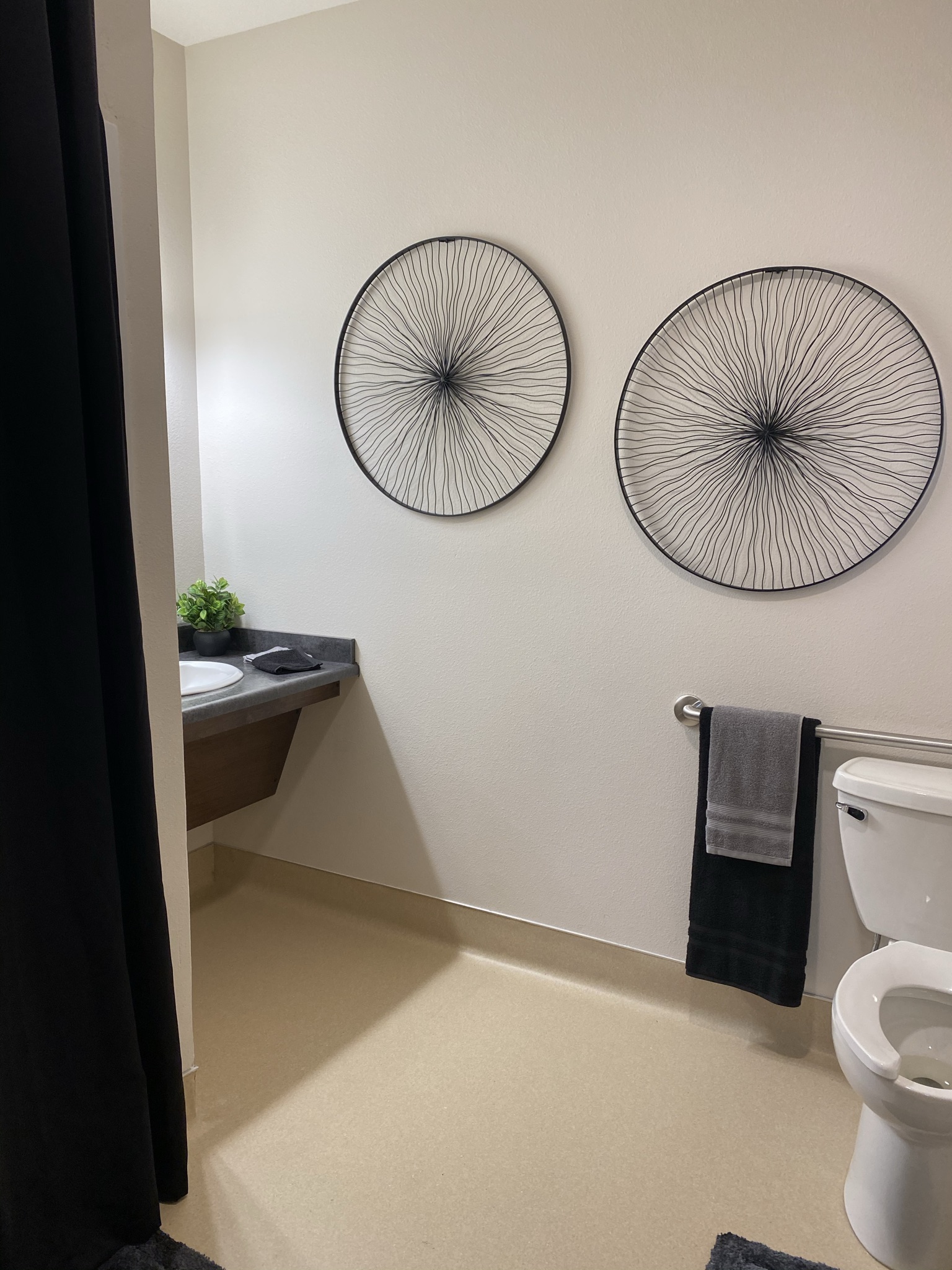
BeeHive Homes of Abilene includes ADA-compliant showers in resident bathrooms
BeeHive Homes of Abilene offers private bedrooms with private bathrooms
BeeHive Homes of Abilene provides medication monitoring and documentation
BeeHive Homes of Abilene serves dietitian-approved meals
BeeHive Homes of Abilene provides housekeeping services
BeeHive Homes of Abilene provides laundry services
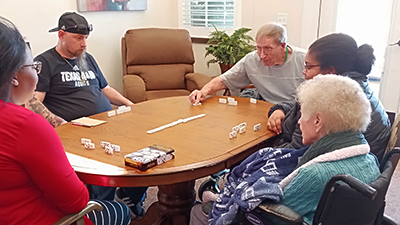
BeeHive Homes of Abilene offers community dining and social engagement activities
BeeHive Homes of Abilene features life enrichment activities
BeeHive Homes of Abilene supports personal care assistance during meals and daily routines
BeeHive Homes of Abilene promotes frequent physical and mental exercise opportunities
BeeHive Homes of Abilene provides a home-like residential environment
BeeHive Homes of Abilene creates customized care plans as residents’ needs change
BeeHive Homes of Abilene assesses individual resident care needs
BeeHive Homes of Abilene accepts private pay and long-term care insurance
BeeHive Homes of Abilene assists qualified veterans with Aid and Attendance benefits
BeeHive Homes of Abilene encourages meaningful resident-to-staff relationships
BeeHive Homes of Abilene delivers compassionate, attentive senior care focused on dignity and comfort
BeeHive Homes of Abilene has a phone number of (325) 225-0883
BeeHive Homes of Abilene has an address of 5301 Memorial Dr, Abilene, TX 79606
BeeHive Homes of Abilene has a website https://beehivehomes.com/locations/abilene/
BeeHive Homes of Abilene has Google Maps listing https://maps.app.goo.gl/o3Y77dWyJmnFn3QcA
BeeHive Homes of Abilene has Facebook page https://www.facebook.com/BeeHiveHomesAbilene
BeeHive Homes of Abilene has an Youtube account https://www.youtube.com/@WelcomeHomeBeeHiveHomes
BeeHive Homes of Abilene won Top Assisted Living Homes 2025
BeeHive Homes of Abilene earned Best Customer Service Award 2024
BeeHive Homes of Abilene placed 1st for Senior Living Services 2025
People Also Ask about BeeHive Homes of Abilene
What is BeeHive Homes of Abilene monthly room rate?
The rate depends on the level of care that is needed. We do an initial evaluation for each potential resident to determine the level of care needed. The monthly rate is based on this evaluation. There are no hidden costs or fees
Can residents stay in BeeHive Homes of Abilene until the end of their life?
Usually yes. There are exceptions, such as when there are safety issues with the resident, or they need 24 hour skilled nursing services
Does BeeHive Homes of Abilene have a nurse on staff?
No, but each BeeHive Home has a consulting Nurse available 24 – 7. if nursing services are needed, a doctor can order home health to come into the home
What are BeeHive Homes of Abilene's visiting hours?
Visiting hours are adjusted to accommodate the families and the resident’s needs… just not too early or too late
Do we have couple’s rooms available?
Yes, each home has rooms designed to accommodate couples. Please ask about the availability of these rooms
Where is BeeHive Homes of Abilene located?
BeeHive Homes of Abilene is conveniently located at 5301 Memorial Dr, Abilene, TX 79606. You can easily find directions on Google Maps or call at (325) 225-0883 Monday through Sunday 9am to 5pm
How can I contact BeeHive Homes of Abilene?
You can contact BeeHive Homes of Abilene by phone at: (325) 225-0883, visit their website at https://beehivehomes.com/locations/abilene/, or connect on social media via Facebook or YouTube
Visiting the Grover Nelson Park offers shaded paths and nature views that enhance assisted living and memory care outings while supporting senior care and respite care experiences.